
Environment Guide

Exhibit Types for Augusta trade show teams

Trade Show Services of Augusta builds exhibit types around Augusta venues, CSRA travel patterns, and the sequencing that decides whether a show week stays calm or gets messy.

Environment planning

Exhibit Types for Augusta buyers and event teams

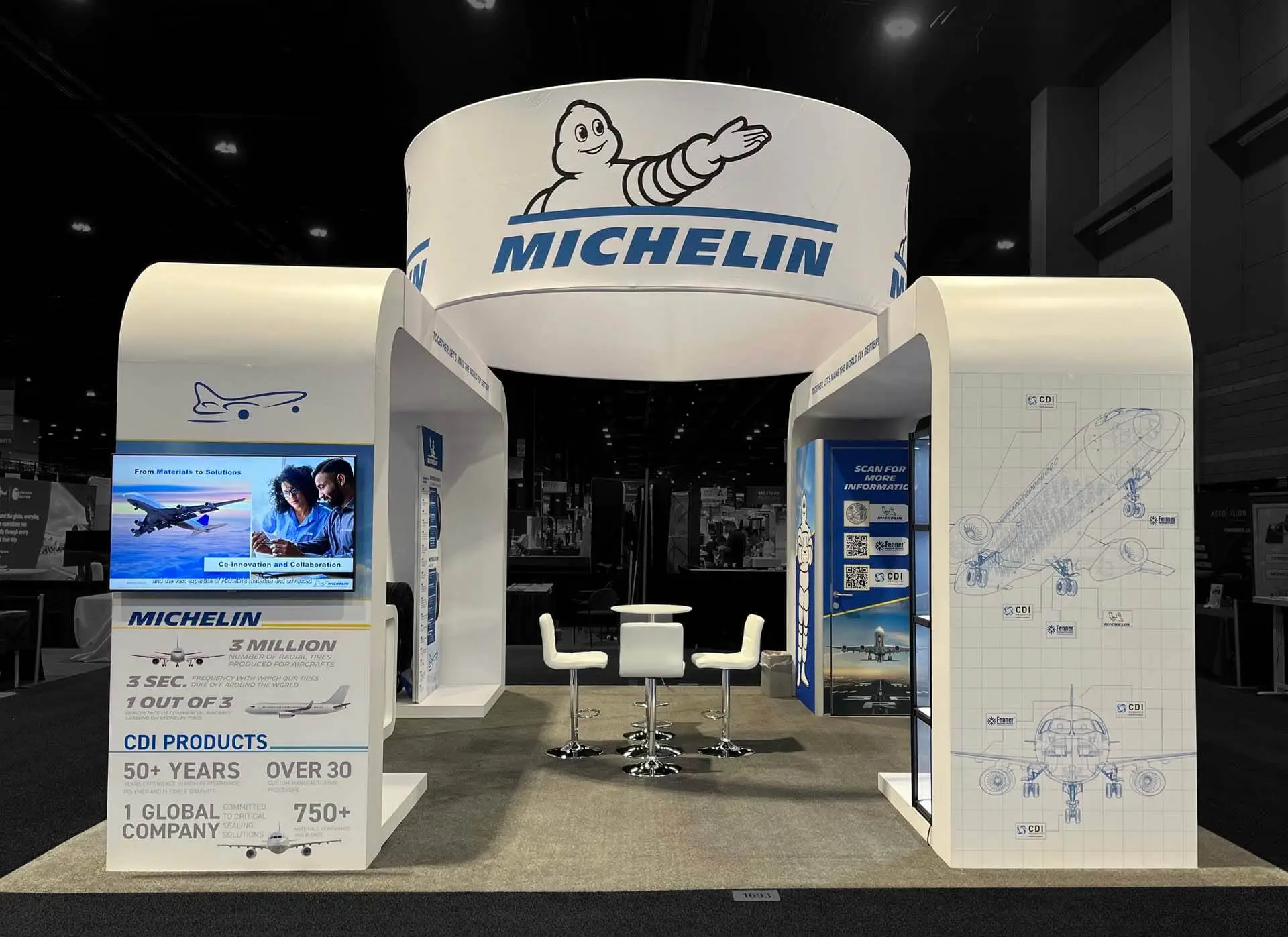
Exhibit Types explain how the attendee experiences the room. Some environments are built to sell, some to host, some to educate, and some to keep traffic moving cleanly around a live story.

That matters across Augusta and the CSRA because the same brand can land in a convention hall, hotel ballroom, museum space, or outdoor activation and still need the environment to behave differently.

Use this lineup when the guest experience is the real planning question behind the scope.

Conference Exhibits

Exhibit Type

Conference Exhibits

Conference exhibits in Augusta need to help a room teach, explain, and hold attention without feeling oversized for the agenda.

Open this exhibit type →
Sponsor Activation Environments

Exhibit Type

Sponsor Activation Environments

Sponsor Activation Environments in Augusta is the sponsorship section that cares about guest action, not simply sponsor logos. It covers experiences that need to draw attention, create interaction, and keep the sponsor visible without…

Open this exhibit type →
Experiential Pop-Up Environments

Exhibit Type

Experiential Pop-Up Environments

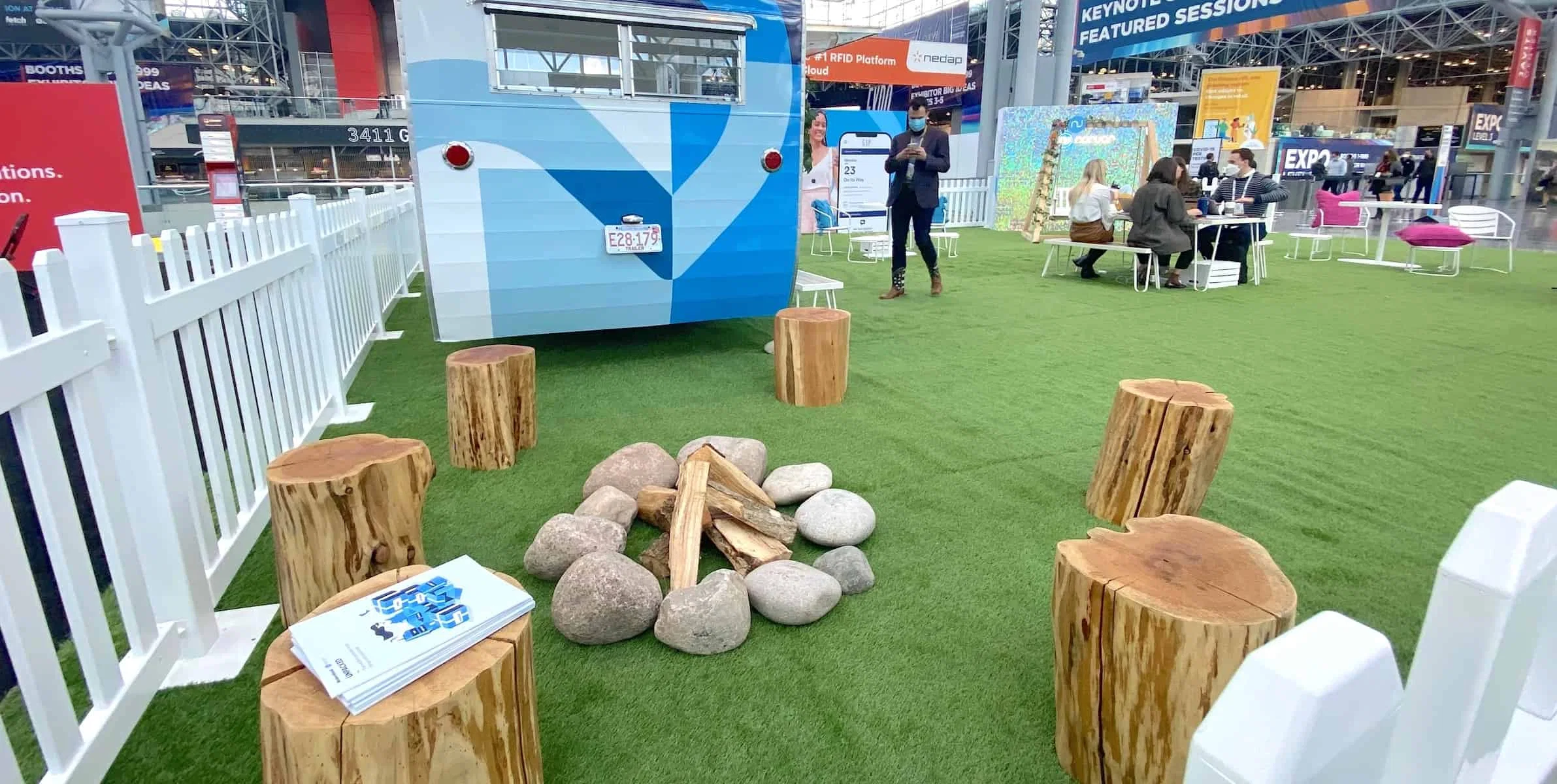
Experiential pop-up environments in Augusta have to land quickly, make the guest action obvious, and disappear without leaving a cleanup problem behind.

Open this exhibit type →
Lobby and Registration Environments

Exhibit Type

Lobby and Registration Environments

Lobby and Registration Environments in Augusta is the front-door section. It covers the space where guests arrive, sort themselves, pick up badges, wait in line, ask the first questions, and decide whether the event feels orderly or…

Open this exhibit type →
Museum-Style Brand Installations

Exhibit Type

Museum-Style Brand Installations

Museum-Style Brand Installations matters in Augusta when it changes venue coordination, labor timing, freight, graphics, and room-level sequencing, not simply when it sounds good in a scope list.

Open this exhibit type →
Outdoor Event Structures

Exhibit Type

Outdoor Event Structures

Outdoor Event Structures in Augusta are a weather-and-perimeter problem. The structure has to hold shade, wind, access, and guest behavior together while still feeling like a deliberate event environment.

Open this exhibit type →
Career Fair Environments

Exhibit Type

Career Fair Environments

Career Fair Environments in Augusta is the recruiting section. It covers the guest flow, conversation layout, employer visibility, and the way the environment has to support fast introductions without turning the floor into a bottleneck.

Open this exhibit type →
Golf Hospitality Environments

Exhibit Type

Golf Hospitality Environments

Golf Hospitality Environments in Augusta is the outdoor-hosting section. It covers tented hospitality, sponsor lounges, player-adjacent experiences, and the kind of brand presence that has to feel relaxed without losing operational control.

Open this exhibit type →

How exhibit types fit Augusta's event picture

Augusta is a working trade show market, and the exhibit types layer of it has a specific role inside that picture. Trade Show Services of Augusta builds exhibit types around Augusta venues, CSRA travel patterns, and the sequencing that decides whether a show week stays calm or gets messy.

That is what makes the exhibit types index different from a generic city overview; the choices here are about the work itself rather than about the destination.

Convention venues and meeting properties for exhibit types

Augusta's convention venues and meeting properties cover most of the larger exhibit types demand, but the right property still depends on format, headcount, and program tone.

This index lists the properties most often used for exhibit types, with the trade-offs each one introduces into the plan.

Labor and venue services that affect exhibit types

Labor and venue services in Augusta are venue-specific. For exhibit types, that means the calls, drayage, rigging, and service-desk rules shape what the booth or program can actually do.

This index treats labor and venue services as part of the exhibit types planning conversation rather than as a separate workstream the team picks up later.

Planner questions

Exhibit Types planning questions

Do you work at Columbia County Exhibition Center?

Yes. The building totals 47,000 square feet and includes 15,600 square feet of dividable trade-show space plus three breakout rooms. Projects at that building are planned against its specific floor rules.

How does crew planning work across exhibit types?

Labor for Augusta exhibit types is venue-specific. Each property publishes its own rules, the show organizer adds another layer, and the program brief sets the rest. Crew sizing follows from those three inputs in that order.

How much lead time should exhibit types planning leave?

Earlier is better. Custom builds for Augusta exhibit types run best with sixteen to twenty weeks; rentals run shorter; calendar-sensitive programs need nine to twelve months on lodging and labor.

What kicks off planning across exhibit types?

Date, venue or shortlist, expected headcount, and a budget range. Those four pieces are enough to test whether the exhibit types brief can actually land in Augusta as intended.

Who is the on-site lead across exhibit types?

One named field lead carries the schedule, the floor plan, and the venue contact. That stays the standard regardless of which exhibit types entry the program is using.

Do exhibit types translate to other markets?

Often, yes. The exhibit types discipline carries; the venue-specific rules do not. Modular builds, repeatable playbooks, and refreshed graphics are how the program shows up clean in the next city.

What happens if a problem hits during a live exhibit types program?

The on-site lead handles it: minor fixes in place, bigger issues routed through the venue's service desk or a local shop. The pattern is the same across exhibit types; the speed of the response is what differs.

Ready to brief your project?

Need help narrowing the right exhibit type path?

Start with the venue, show date, service mix, and project goals. From there we can sort the routing, staffing, and service-order calls that matter most once the schedule tightens.

Start a conversation →