
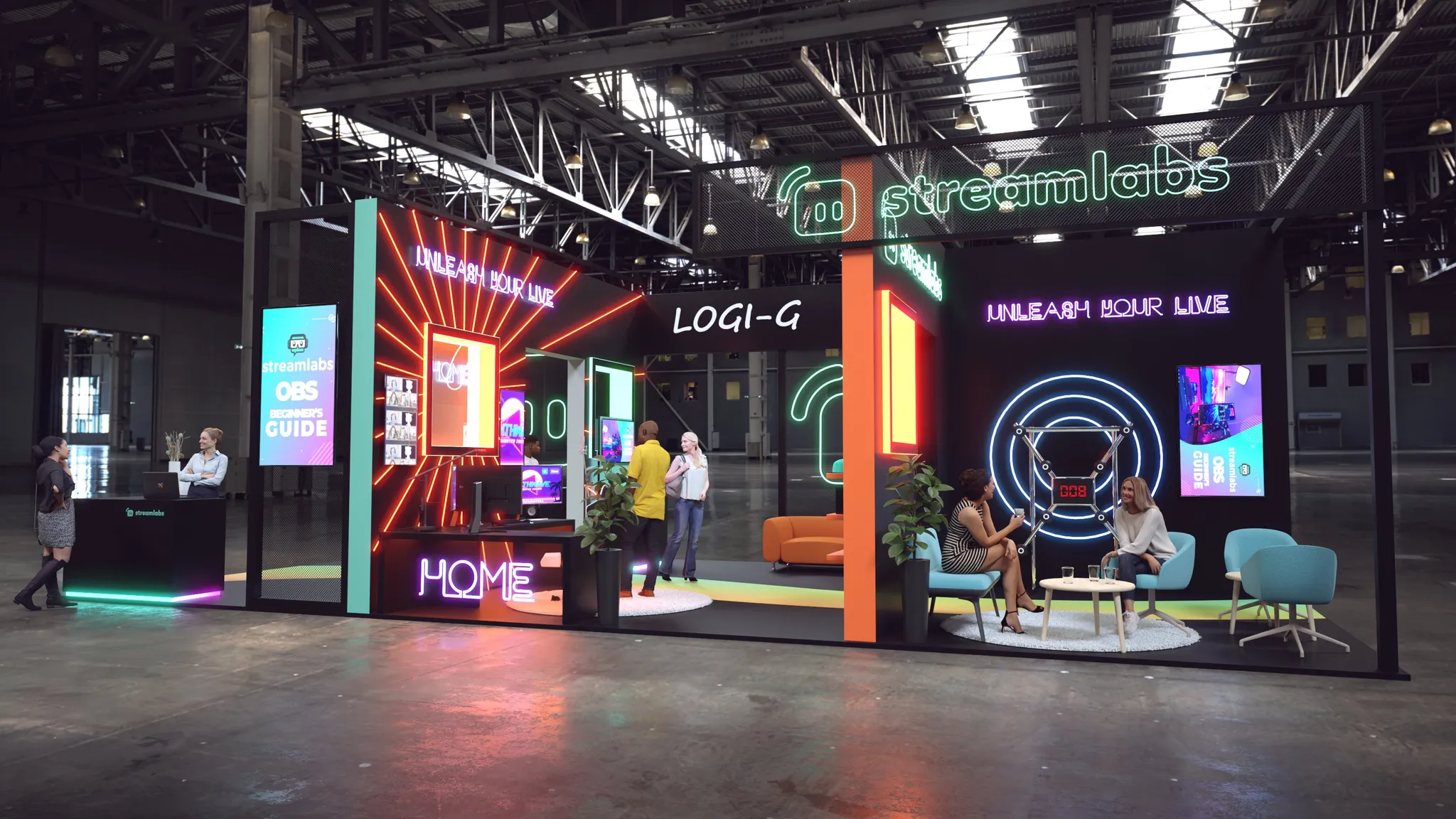
This work lives in the space between a reception room and a brand environment.
The greeting, seating, service path, and reset all have to cooperate without making the room feel like a generic lounge.
The sponsor should feel in control from the first welcome to the final reset.
Execution priorities
- Put the welcome point where guests can find it without asking.
- Keep the support path off the main sightline.
- Make seating and service feel intentional instead of improvised.
- Leave the next sponsor event with a cleaner hospitality sequence.
What drives the cadence of sponsor hospitality operations
As a capability, sponsor hospitality operations runs on a defined cadence rather than reacting to each show in isolation. Weekly check-ins, monthly portfolio reviews, and a longer planning cycle for capital decisions.
That cadence holds when the team treats the calendar as a portfolio rather than a list; the program stops getting rebuilt from scratch every time the next show appears.
The main Augusta event areas
The Aiken and Westward South Carolina area runs through Aiken, Downtown Aiken, Graniteville, Warrenville. Aiken adds university-scale public-event capacity and polished banquet inventory that can support overflow or standalone CSRA programs.
North Augusta Riverside Village runs across North Augusta, Riverside Village, Belvedere. This cluster combines the stadium, hotel, riverfront dining, and mixed-use hospitality inventory on the South Carolina side of the metro.
How Augusta floor operations work
Labor in Augusta runs venue-by-venue, not citywide.
Practical planning rules for the operations in Augusta: Use exhibitor-appointed-contractor coordination language for Augusta Convention Center and other formal expo environments. Use venue-managed hospitality language for hotels, museums, stadiums, rooftop venues, and golf-week hospitality properties.
The buildings that host Augusta events
Snelling Conference Center.
Multiple divisible meeting rooms plus pre-function space, reinforcing the center's utility for seminars and business events.
USCA Convocation Center: the Convocation Center is a 97,600-square-foot facility with capacity ranging from 3,500 to 4,100 patrons, retractable seating, a VIP room for up to 200 patrons, and rentable meeting space.
Scope on a sponsor hospitality operations project
The operations projects typically include design work, fabrication or rental sourcing, graphics production, show-service paperwork, freight, install, show-hours coverage, and strike.
a bad one has many, because they weren't.
How a project runs
After the brief, the work turns to the building itself.
With venue details locked, production runs.
One named show-site lead runs the install.
Throughout show hours, the on-site lead stays present.
Pricing and scheduling
Every project has the same cost drivers.
Rental programs run on 8 to 12.
What strong sponsor hospitality operations delivers
As a capability, the operations is measured by how stable the rest of the program feels. Issues caught early, vendor lanes clear, and finance and operations agreeing on what actually happened.
The clearest sign of a working capability is that the team does not have to rebuild the program from scratch every time the next event appears on the calendar.
What makes our work different
Working with a Augusta-based shop matters most when something goes wrong on-site. Solutions live within driving distance instead of on another coast.
Over a multi-show calendar, the compound value of a single team shows up in fewer surprises. The second install is faster than the first, the third is faster than the second, and by the fourth the project runs on memory and documentation rather than first-principles planning.
Sponsor Hospitality Operations planning questions
Do you work at Newberry Hall?
Yes. The venue is tailored for business training meetings, corporate seminars and conferences, working lunches, awards events, and other catered gatherings in downtown Aiken.
How does sponsor hospitality operations interact with on-site staffing?
The operations sits upstream of the field crew.
When should this work get put in place?
Before the first event, ideally during the program-planning phase. The cadence is the value, and the cadence only works when it is already running by the time the calendar gets active.
What is needed to put the program in place?
The full event calendar, the existing vendor stack, the asset inventory, and the reporting expectations. Those four pieces define what the capability actually has to manage.
Who runs this service on the day of an event?
The capability owner stays upstream; the field team executes. The day works when the program-level decisions have already been locked.
Does the plan cover the next city on the calendar?
Yes; that is the point.
What happens when something breaks across a program?
That is exactly what this capability exists for.